Symbiosis signs up with Khimji's Training Institute for SIBM Pune Management Training Programs

MUSCAT Khimji’s Training Institute and Symbiosis Institute of Business Management, Pune (Symbiosis International University), on Wednesday signed a Memorandum of Understanding (MoU) to mark the beginning of a synergic academic partnership to provide a bouquet of hi-end management training programmes for aspiring managers looking to honing their management skills.

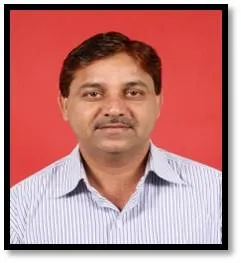
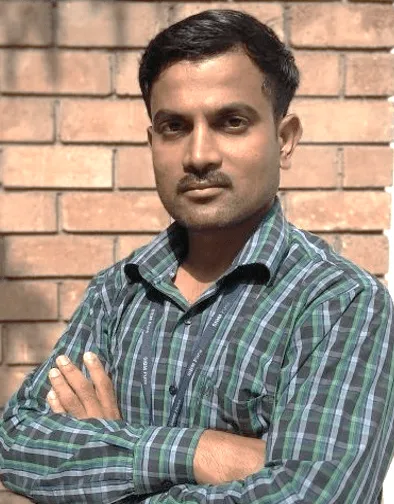
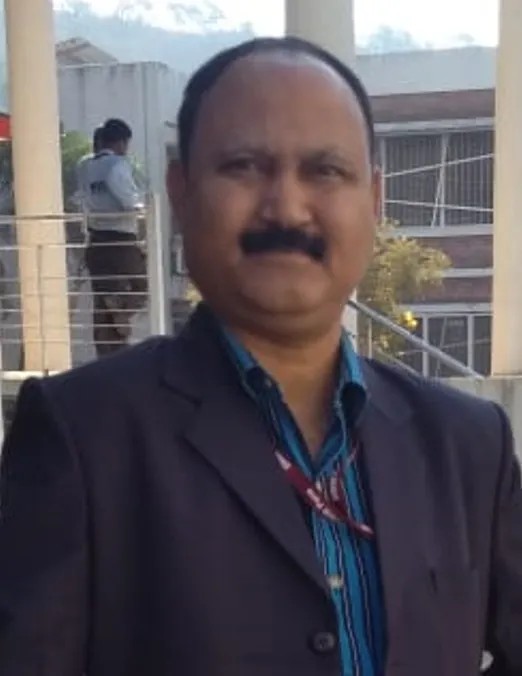
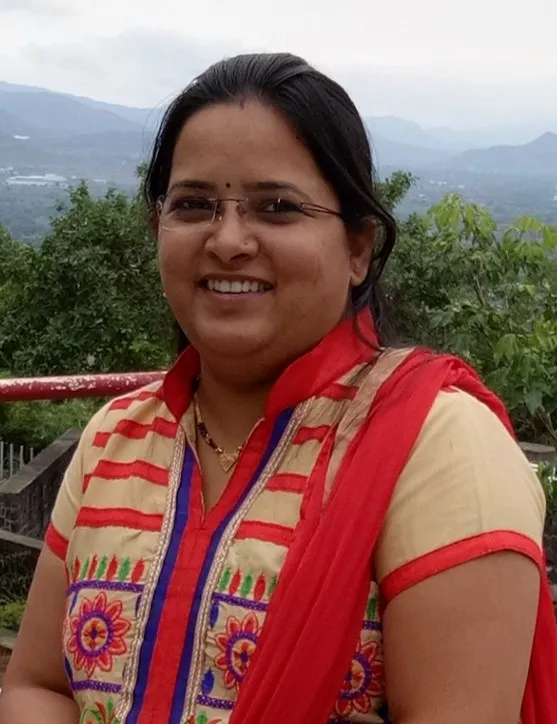
The MoU was signed by Pankaj Khimji, Director, Khimji Ramdas and Dr Vidya Yeravdekar, Principal – Director, Symbiosis International University, at an event held at Al Bustan Palace Hotel. The event was attended by directors and senior management from Khimji Ramdas with officials from the Symbiosis Group including Dr Arun Mudbidri, Director- SIBM, Amita Shiroor, Deputy Director- SIBM; Rajesh Panda, Associate Professor- SIBM as well as top professionals from the corporate world.

The programmes offered will include Management Development, Workforce Development for Nationals, Diploma and Post-Graduate programmes in Business Management, Marketing Management and Human Resource Management. The Workforce Development programme will be catering especially to nationals, both at the entry level and existing employees. The focus on the training for new recruits will be on honing their personal and operational skills while the existing workforce will be trained on raising the level of operational excellence.

Dr Vidya Yeravdekar said: “Symbiosis is one of India’s leading educational and personal development institutions, imparting quality education for over 30 years. SIBM, Pune a constituent of Symbiosis International University has been consistently ranked among the top 4 B-schools in India consecutively for the last 3 years. In the GCC countries, we identified the Sultanate to be one of our prime destinations, as education is given top priority in line with the Vision 2020 of the nation. We found a natural partner in Khimji’s Training Institute which has an excellent reputation as a quality training provider.”

“We plan to set up a campus in the Sultanate in collaboration with Khimji Training Institute if the Ministry of Higher Education accords permission,” she said.

Pankaj Khimji said: “KTI has been in the business of training and education for more than a decade and has a good reputation of being a quality driven training solutions provider in Oman. Symbiosis Institute of Business Management (SIBM, Pune) is the flagship institute of the Symbiosis International University, with a world class reputation for higher education. The synergic academic partnership between the two well-known entities will offer new opportunities for sharing best practices in management. We are happy to welcome the Symbiosis team and are certain that this partnership will benefit a larger set of audience with varied educational interests yearning to have quality education in the country.”

Following the MoU-signing ceremony was a unique workshop themed “7 Stimulations-Unwind Stress through Music” conducted by Dr Rahul Joshi, an expert in managing stress through music. In today’s world, stress takes toll of everybody. This workshop was specifically to address “How can one learn to live a stress free and productive life even in the face of day-to-day problems. The essence of 7 stimulations was well received by the audience. The programmes also gave rare insights into how the Seven Chakras with music can lead to a life full of happiness, ambition, passion, love, good relationships, enthusiasm, focus and spirituality.

Source Oman Tribune May 28, 2009
Click Here to view Photo Gallery

Of downturn, freakonomics...

This was the grand finale of debate and quiz for B-school students, who earned their spots after winning regional competitions that took in schools from the North, South, East and West. Even making it to the national finals is enough to embellish a resume, said event host Harsha Bhogle, who famously left a fat advertising job and promising post-MBA career for the cricket sidelines. Bhogle’s fizzy commentary kept students nervously grinning, not clear when they were being insulted or complimented. “Aren’t you excited being up here?” he asked the students at one point. “I mean, just having made it here—I know I’d be feeling kicked. Not that other kind of kicked, you know, the good kind.”

Teams came from around India, and, as with the first prize debaters from S.P. Jain, they often comprised both men and women. Third place in the debates went to Apurva Harsh and Cheishta Katyal from IIFT Kolkata. In the quizzes, SIBM’s (Symbiosis Institute of Business Management) Tarun Aggarwal and Devesh Saboo were runners-up, followed by ICFAI’s Pareekshith A.R. and Bala Murugan and S.P. Jain’s Rishav Jain and Shipra Bhalla IIM-B’s Vineet Sharma and Mario Gonsalves I IM Lucknow’s Vipin S. Nair and Nirad Inamdar in third and fourth places, respectively. IIM Calcutta won the first place in quizzing, giving members C. Ram Shankar and Shobhit Bhatnagar coveted bragging rights. “It’s like the Wimbledon of Indian quizzing,” said Bhatnagar. His teammate Shankar agreed, predicting he and Bhatnagar would find some place very visible to put up their plaque. “A little shameless publicity won’t hurt,” he said.

Trivia questions ran from popular to obscure knowledge, like recognising popular comedian Jerry Seinfeld’s voice or identifying Freakonomics author Steven Levitt’s father as the world’s leading authority on intestinal gas. Some questions went to the audience, and winners were presented with iPods, cellphones and coffee makers. Towards the end of the evening, students ceded the stage to triviahungry businessmen and women, who competed with a harder set of questions. The “alumni” pairs were split into regions mirroring the student groupings: North, South, East and West. Sujeet Varkey and Rohan Khanna won for the North Zone, and showed a breadth of knowledge that only real trivia lovers can attain.

Bikhchandani, who founded Naukri.com in 1997, gave the closing note, encouraging students to dream big. “When I was working, it was really hard to leave the life and start my own company,” he said. “I was too comfortable.” But the freedom he gained from leaving corporate life was worth the risk of failure, he said. Entrepreneurs like Bikhchandani are relatable role models for students, most of whom study legendary figures of the Western world. “(Warren) Buffett and Steve Jobs are the ones we’re asking trivia questions about. Stories have not yet been written about India,” Bhogle said. As this new generation of Acumen winners enter the field, he added, that will undoubtedly change.

Source Business Today January 25, 2009

SIBM ties up with "Yashaswini Abhiyan" to empower women.

In this ambitious project SIBM will be imparting Management training to the co-ordinators / self help groups to establish them as a brand.
To take it further SIBM will implement business plan / model for 35 adopted SHGs as a pilot run.

Maharashtra Times, December 16, 2008

Click here to view

Sakal, December 17, 2008

Click here to view


SIBM salutes one of it's alumni Mr. Karambir Kang.

The Iron Man

There’s an Anecdote about Sardar Vallabhbhai Patel, the first Home Minister of India. In 1909, his wife was hospitalised with cancer and, despite surgery, passed away. Patel, a lawyer by profession, was in the middle of cross-examining a witness when a note informing him about the death of his wife was handed to him. Patel, legend has it, read the note, pocketed it and continued with the cross examination. He won the case. It’s tenacity like this that had won him the epithet, the “Iron Man of India”.

The Taj Mahal Palace & Tower’s General Manager, Karambir Kang, displayed a similar dedication to duty and superhuman resolve when he continued to supervise rescue operations for over 60 hours despite losing his immediate family in the recent terror strikes in Mumbai. Wife Nitti (38), sons Samar (14) and Uday (5) perished in the fire that gutted several suites and floors of the hotel.
In fact, when Tata Group Chairman Ratan Tata asked him to get some rest, Kang pleaded to stay at the scene and help with operations. Speaking to CNN, Ratan Tata said that when he had offered his condolences, Kang had replied: “Sir, you know, we’re going to beat this. We’re going to build this Taj back to what it was. We’re standing with you. We will build this thing back. We will not let this event take us down.” It’s courage like this that’s going to get the battered city back on its feet.
A man with 17 years of experience in the hospitality industry, Kang took charge of The Taj Mahal Palace & Tower as General Manager in November 2007. The hotel was recognised as the world’s best business hotel by Condé Nast Traveler UK in 2008.
On the popular networking site Linkedin, a management trainee at The Taj Land’s End, who has worked with Kang, wrote a recommendation for his former boss, on November 17th, 2008—just 10 days before the attack. “He is a great person, a talented individual, very helpful and more than just a General Manager. (He is) very easy to approach, has great ideas, and is willing to listen and help at any time,” the trainee wrote. The last phrase, every word of it, as we know now, is true.
Source Business Today December 28 2008.

Business Today Latest Issue July 13, 2008 Cover Story

Up there, with the best

Anand Adhikari

June 24, 2008

SIBM: Leagues ahead
SIBM: Leagues aheadThree thousand feet above sea level, in Lavale taluka on the outskirts of Pune (which is about 800 ft above sea level), the winds of change are blowing through the 30-year-old Symbiosis Institute of Business Management (SIBM). Spread over 300 acres on a picturesque hilltop, the Symbiosis Knowledge Village, SIBM’s new residential campus, has become operational from the current academic session.The students, numbering a little over 400, have already checked in, but finishing touches are still being given to the auditorium, lecture rooms, library and recreational centre. But no one is complaining about the “work in progress”. Some new students even feel that “studying here is like holidaying in Khandala, Ooty or Mussorie”. Arun Mudbidri, Director, SIBM, is justifiably proud of the new picture postcard campus. “A residential campus was the big missing link in our portfolio,” he says,
adding that he now plans to take the institute “to the next level in terms of infrastructure, faculty and programmes”.
Aiming for the top
That’s shorthand for a concerted effort “to challenge the supremacy of IIMs”. SIBM is getting there. It ranks #4 in the 6th BT-Nielsen Survey of India’s best B-schools, the third successive year that it has held on to that position—ahead of

the entire universe of Indian B-schools covered by this survey barring the Big 3 IIMs (A, B and C).
SIBM, in fact, is already threatening these IIMs on some key parameters. According to the BTNielsen Survey, functional heads, HR heads and young executives rate SIBM at par with, and, in one or two cases, even above IIM-A, IIM-B and IIM-C in areas like teaching methodology, quality of placements, infrastructure and specialist units.
Mudbidri is now focussing on building greater corporate linkages— both on course content and in the sphere of attracting professionals from the corporate sector to teach at the institute. “It is (and will remain) a win-win situation for both sides. We’ll assist the corporate sector to grow and, this, in turn, will help us grow,” he says.


 All you wanted to know about Symbiosis
The school has established itself as one among the best B-schools in India.
Established: 1978
Batch size: 180
Faculty-student ratio: 1:19
Course fee: Rs 2,10,000 per annum
Entrance criteria: Graduates with 50 per cent marks are eligible to appear in Symbiosis National Aptitude Programme held in December every year
Annual average salary domestic: Rs 10.38 lakh per annum
International: $50,000 per annum
No. of offers made: 233
No. of international offers: 11
No. of offers per student: 1.88

SIBM has four verticals for corporate linkages—Corporate Education (training field managers), Competence-based Programmes (select programmes for senior managers), Core Development (building new skills in managers) and Consulting (services). “We are also doing consulting work in insurance with Max New York Life. It’s an HR initiative to address attrition,” says Shrirang Altekar, Associate Professor at SIBM.

SIBM plans to begin an MBA programme for executives shortly
SIBM: Plans to begin an MBA programme for executives shortlyThe school also has a very successful collaboration with Hindustan Unilever. In the first week of September, the entire marketing batch of SIBM will be out in the market, embedded with a dozen HUL distributors. “Each group will be attached to a distributor for eight days, in order to gain market exposure,” says Mudbidri. Then, it is also developing a practical retail module with Subhiksha. “There are another half a dozen corporate tie-ups in the offing. We’re talking to ITC, Dabur, Goldman Sachs, E&Y and others for this,” discloses Mudbidri.
Himanshu Kulkarni, Associate Faculty at SIBM, who has almost three decades of corporate experience, says the biggest challenge for B-schools is to attract talent. “Today, the compensation gap between the corporate sector and academia is huge,” he says.

Expansion plans
In early June, SIBM launched a 3.5-acre campus in Bangalore’s Electronics City. “The campus is virtually the replica of SIBM Pune,” says Mudbidri. He also has plans to open a campus in Hyderabad, probably by 2010. These expansions will be driven by corporate collaborations rather than academic ones.
“I would prefer to go with a top corporate to new cities,” he adds. SIBM is also talking to B-schools in France and the UK to induct foreign students and also send SIBM’s students there. “We will soon have multi-cultural classes,” says Ameeta Shiroor, Deputy Director at SIBM.
The school is laying a special emphasis on beefing up international placements. “We cannot match IIM-A on this count,” admits Mudbidri. To start with, he has Singapore, Hong Kong and Dubai on his radar. “We are likely to launch an executive MBA programme with a state university in Dubai by the end of this year,” he says, adding that SIBM is also in negotiations with global corporations based in these three countries.
SIBM is progressing systematically on its plans to challenge the supremacy of the IIMs and IIM-A in particular. Mudbidri has identified aspirational value as one of his focus areas. “That’s one area where aspiring MBAs place the IIMs way ahead of Symbiosis,” he admits, while doling out what he calls “encouraging statistics”. Of the 108,000 students who appeared for the all-India entrance test for SIBM last year, 98,000 opted for SIBM as their first choice (for the available 180 seats).
“The competition to get into SIBM is very tough,” he says, but admits that SIBM still has to go some distance before it can hope to challenge the top three IIMs on this count. “The first choice for any student is clearly the IIMs, but Symbiosis is clearly the next best choice,” says Aditya Sihmar, a second-year student at the institute. Mudbidri feels the lack of infrastructure, and particularly residential facilities, was a major reason for this. “But I’m sure we will be able to change that perception in the near future,” he adds.
Multi-cultural classrooms are in the offing
SIBM is also focussing on a module for entrepreneurship development this year. “Symbiosis has really transformed me as a leader,” says Vineet Nerurkar, from the class of 1993, who worked in Parle and Nivea for a decade before setting up his own media valuation company in early 2000. Mudbidri wants to institutionalise this and turn SIBM into a breeding ground for entrepreneurs. “There are thousands of opportunities to turn entrepreneur in today’s liberalised and globalised business environment,” says Mudbidri.
Indian B-schools have attained international fame for turning out good managers. If SIBM can take that forward and institutionalise a system of turning out entrepreneurs, Mudbidri might yet fulfill his ambition of pipping the IIMs to the top rank in future BT surveys.